Thriving Xeriscapes: Designing Low-Water Landscapes for Drought-Prone Areas May 08, 2026
Xeriscaping, derived from the Greek word "xeros," meaning dry, is a landscaping method specifically designed to reduce or eliminate the need for irrigation. One of the primary benefits of xeriscaping is its water efficiency. By selecting plants and materials wisely, homeowners can significantly reduce their water usage, contributing to conservation efforts and lowering maintenance costs.
The first step in creating a successful xeriscape is planning and design. Start by assessing your landscape's current condition, noting areas that receive abundant sunlight or are shaded throughout the day. This assessment will guide the selection of plants that are well-suited to each part of your yard. Additionally, consider incorporating hardscaping elements, such as gravel paths or stone patios, which not only add visual interest but also reduce the amount of plantable land that requires water.
Choosing the right plants is crucial in xeriscaping. Opt for native species that are naturally adapted to your region’s climate and soil conditions. These plants are more likely to thrive with minimal water and require less intervention once established. Succulents, ornamental grasses, and drought-tolerant perennials like lavender and yarrow are excellent choices for adding color and texture to your xeriscape. At Vega's Lawncare and Landscaping, we specialize in sourcing and planting such durable flora that enhance the beauty of your landscape year-round.
Soil preparation is another key factor in xeriscaping success. The goal is to promote efficient water use and retention. Start by enriching the soil with organic matter like compost to improve its structure and fertility. A well-prepared soil bed will help retain moisture longer, providing plants the necessary resources to weather dry periods.
A critical aspect of xeriscaping is implementing efficient irrigation systems. Drip irrigation is highly recommended as it delivers water directly to the base of the plant, reducing waste and ensuring deep root growth. This method helps plants better withstand periods of drought. Setting up zones that target specific plant needs can further optimize water usage, allowing you to cater to the unique requirements of different areas within your landscape.
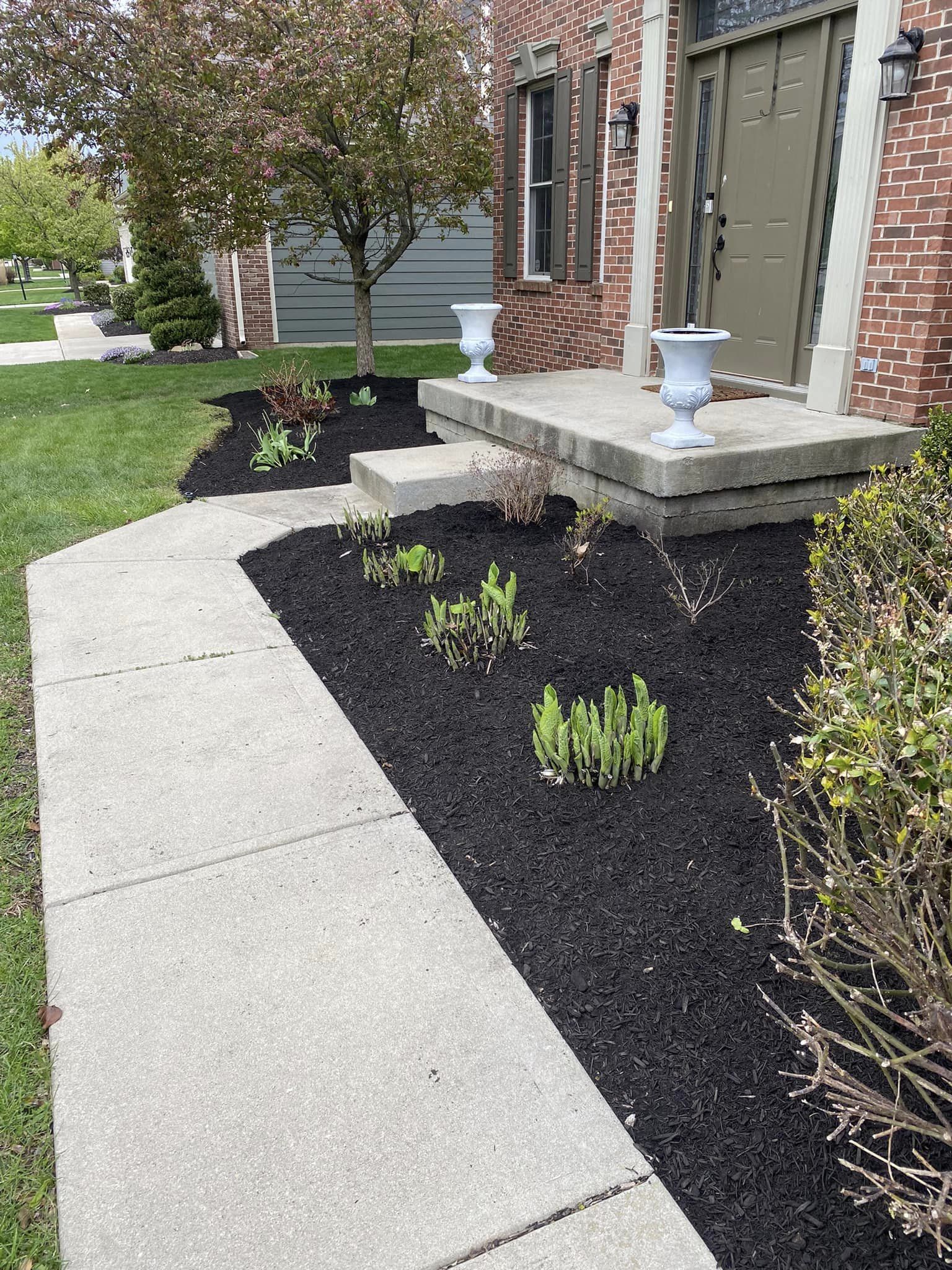
Mulching is another strategy to maximize water conservation in xeriscapes. Apply a layer of organic mulch around plants to help retain moisture, suppress weeds, and moderate soil temperature. Not only does this create a more appealing aesthetic, but it also supports your plants’ health during hot, dry spells.
Maintaining a xeriscape is relatively straightforward compared to traditional landscapes. Regular weeding, pruning, and occasional monitoring are key to ensuring your garden remains healthy and attractive. Since xeriscaped gardens require less watering, you'll save on your utility bills while enjoying a vibrant outdoor space.
In conclusion, designing a low-water landscape doesn’t mean sacrificing beauty or functionality. Through careful planning, plant selection, and maintenance, xeriscaping can transform your yard into a sustainable oasis that thrives in even the driest conditions. At Vega's Lawncare and Landscaping, we are committed to helping our clients create landscapes that are both beautiful and environmentally responsible. Whether you’re starting from scratch or looking to modify your existing garden, we are here to guide you every step of the way.
/filters:no_upscale()/filters:format(webp)/media/93638291-06b2-4de9-9bd1-4b52afd62324.jpeg)
/filters:no_upscale()/filters:format(webp)/media/a7d9bb19-1f8f-412c-ab27-284569e09d09.png)