How to Incorporate Native Plants into Your Landscape Design Feb 19, 2026
Let's delve into some foundational reasons why incorporating native plants into your landscape is advantageous. Firstly, native plants require less water and fertilization, reducing the maintenance workload. This is because these plants are naturally adapted to the local environment, making them resilient against regional pests and diseases. Additionally, they offer vital support to local wildlife, including birds and pollinating insects, which can increase biodiversity in your garden.
Now, when planning to include native plants in your landscape design, the first step is to identify the native species most suitable for your area. Conduct a little research or consult with experts at Vega's Lawncare and Landscaping to discover plants that will thrive in the specific conditions of your garden, considering factors like sunlight, soil type, and water availability. Common choices might include coneflowers, black-eyed Susans, or wild columbine, each offering unique beauty and ecological benefits.
Once you've shortlisted the plants, it's time to conceptualize how they’ll fit into your existing landscape. Evaluate your garden’s layout and decide on the optimal locations for planting. Native plants can be strategically used to create natural boundaries, add texture with layers of different heights, or introduce bursts of seasonal color. Visual balance is important, so consider grouping plants in odd numbers for a more organic look.
The next phase involves preparation of the soil. Native plants generally prefer well-drained, nutrient-appropriate soil, but some might require specific conditions. Vega's Lawncare and Landscaping provides comprehensive guidance and services to help prepare your garden soil to ensure the native plants get a healthy start.
Planting should ideally begin in spring or fall when weather conditions are neither too hot nor too cold, promoting successful root establishment. Create a planting plan that accounts for the mature size of the plants, giving them enough room to grow without competition for resources. The careful layering of plant sizes helps to mimic the natural progression found in the wild, providing continuity and balance in your design.
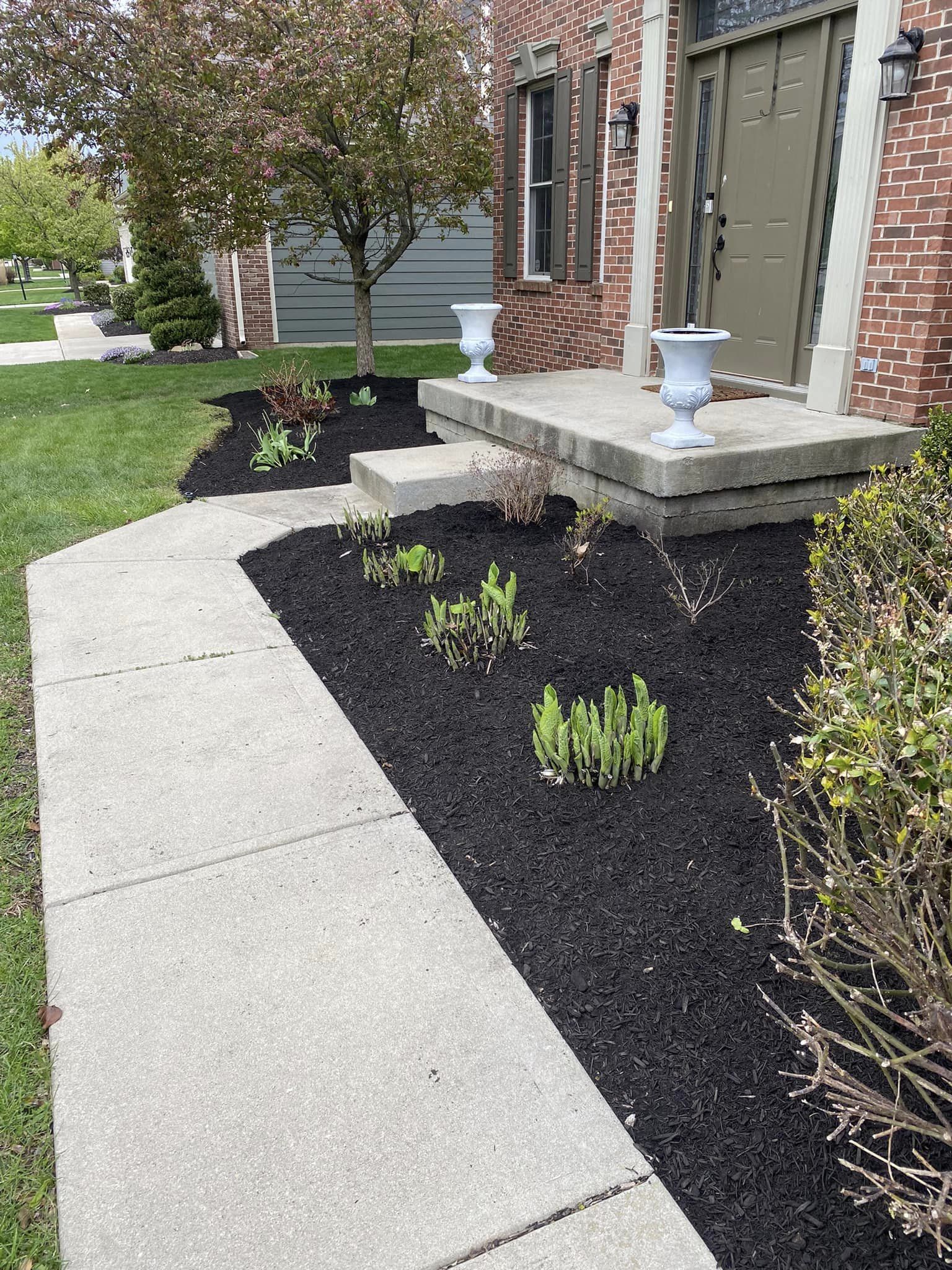
After planting, the primary maintenance focus is on watering until plants establish strong root systems. Native plants typically require less ongoing upkeep, but it’s crucial to monitor them during initial stages for signs of stress. Mulching around the plants can help retain moisture and suppress weeds, further simplifying future maintenance.
In conclusion, embracing native plants in your landscape design is immensely rewarding. Not only do they enhance the visual allure and sustainability of your garden, but they also contribute to the health of the ecosystem. By following the steps mentioned above and seeking assistance from Vega's Lawncare and Landscaping, you can create a thriving, beautiful outdoor sanctuary with ease. Whether you're a seasoned gardener or a novice, incorporating native plants offers a host of benefits that enrich both your yard and the environment.
/filters:no_upscale()/filters:format(webp)/media/93638291-06b2-4de9-9bd1-4b52afd62324.jpeg)
/filters:no_upscale()/filters:format(webp)/media/a7d9bb19-1f8f-412c-ab27-284569e09d09.png)