Building Biodiversity: How to Design a Pollinator Paradise in Your Garden Jun 18, 2026
To start designing your pollinator paradise, consider the types of plants and flowers that are likely to attract these vital creatures. Native plants are an excellent choice, as they are well adapted to the local climate and provide the necessary resources that pollinators need. Focus on a variety of flowers that bloom at different times throughout the growing season. This ensures a consistent food source from early spring to late fall. Plants like coneflowers, bee balm, and goldenrod are some of the preferred choices that can thrive in various conditions.
Color plays a significant role in attracting pollinators. Bees are particularly drawn to blue, purple, and yellow hues, while butterflies can be lured by reds and purples. By designing a vibrant palette of these colors, you create an irresistible magnet for pollinators. In addition, the scent is an important factor, particularly in the case of bees and moths. Fragant plants like lavender and mint can be superb choices.
Another essential aspect of building a pollinator-friendly garden is the use of diverse flower shapes. Pollinators of different species have different feeding habits, so incorporating a range of shapes such as tubular, flat-topped, and bell-shaped flowers can increase the diversity of visiting species. Plants like foxgloves cater to long-tongued pollinators, while marigolds and milkweeds have flat surfaces perfect for butterflies to land and feed.
Water is also a crucial resource in any garden designed for biodiversity. Small water features such as shallow dishes filled with pebbles and water can provide necessary hydration. Ensure these water sources are shallow to prevent drowning hazards for delicate creatures.
When planning your garden layout, avoid using pesticides, as these can be harmful to pollinators. Instead, explore natural pest control methods. Companion planting is an excellent strategy, where certain plants are grown together to naturally repel pests. For example, planting marigolds can deter nematodes and attract beneficial insects.
To further encourage pollinators, consider incorporating features like bee hotels or butterfly houses. These structures provide safe havens for pollinators to rest and nest. Simple logs with drilled holes can serve as excellent bee houses, while cages filled with twigs can shelter butterflies through inclement weather.
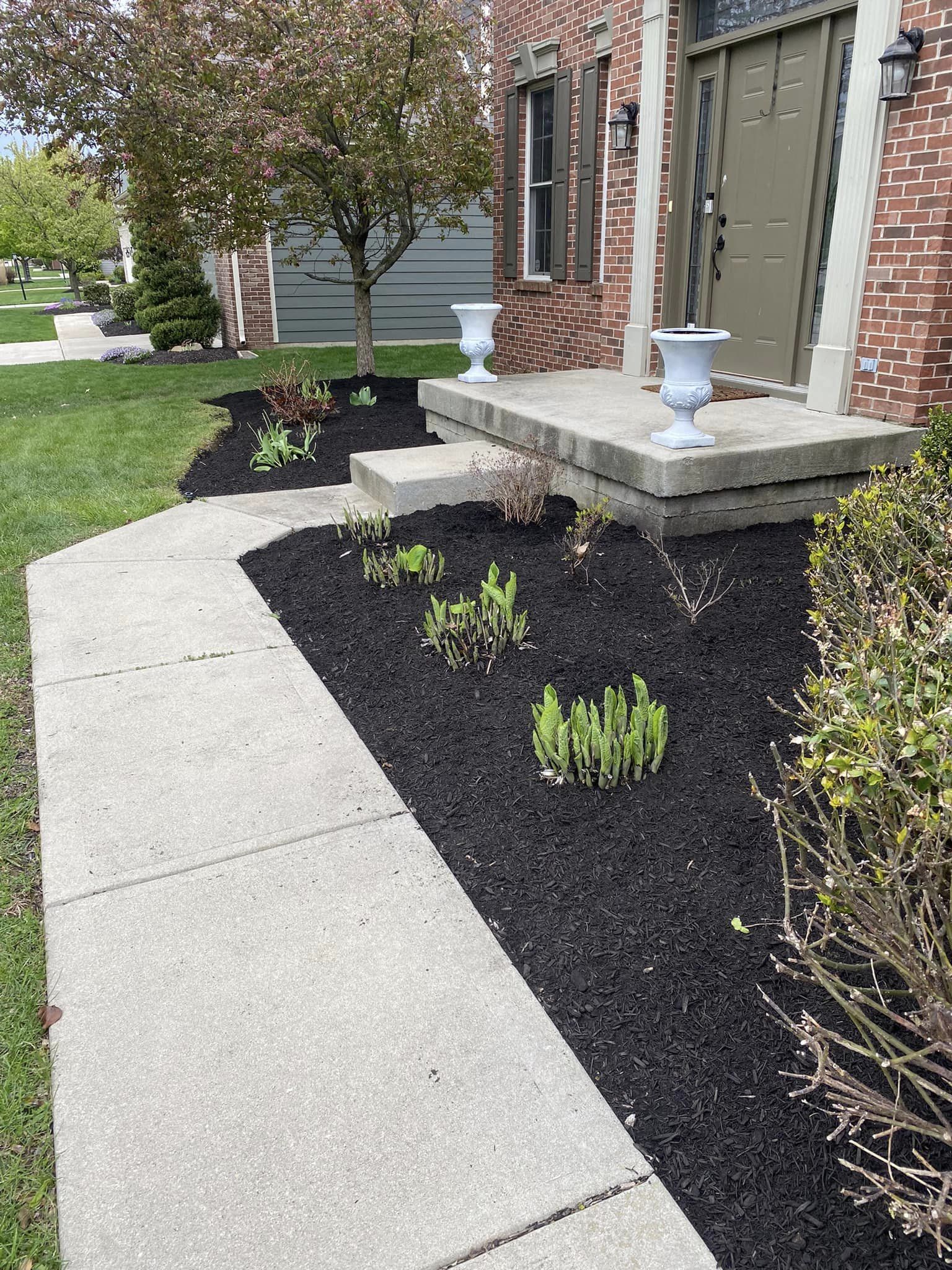
Finally, sustainability is key. Mulching and composting improve soil health, which indirectly benefits pollinators by promoting robust plant growth. As you maintain your garden, remember that healthy ecosystems support both flora and fauna, creating a balanced and thriving environment.
By implementing these practices, you transform your garden into a bustling ecosystem, rich in biodiversity. At Vega's Lawncare and Landscaping, we are here to assist and guide you in making these ecological impacts. Together, we can create a beautiful, sustainable sanctuary that supports the health and well-being of our essential pollinators and enhances your garden's natural allure.
/filters:no_upscale()/filters:format(webp)/media/93638291-06b2-4de9-9bd1-4b52afd62324.jpeg)
/filters:no_upscale()/filters:format(webp)/media/a7d9bb19-1f8f-412c-ab27-284569e09d09.png)